Eco-friendly brick-making machines are seemingly becoming crucial to enhance building quality while meeting environmental goals in the ever-changing arena of construction. Amongst all these, the fly ash brick making machine has suddenly gained popularity. We are a nation known to possess adequate fly ash from thermal power plants. India has easily managed to convert this industrial residue to a construction goldmine, helping to nurture growth in fly ash brick plants and the growing requirement for experimental machinery.
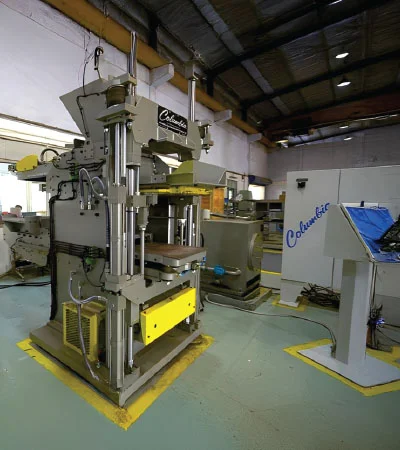
Fly ash brick making machines are tailored to transform fly ash, cement, sand, crusher dust and water into some solid, load-bearing construction units. These machines use either hydraulic or mechanical methods to mold uniform bricks, lessening human errors and improving overall productivity and output.
Fly ash models provide a sustainable, budget-friendly, and quicker alternative as compared to the clay brick or conventional cement brick making machines. Fly ash models help safeguard the soil, reducing the risk of erosion, lessen harmful carbon emissions, and help to produce consistent quality blocks, preferably for varying climatic and environmental conditions.
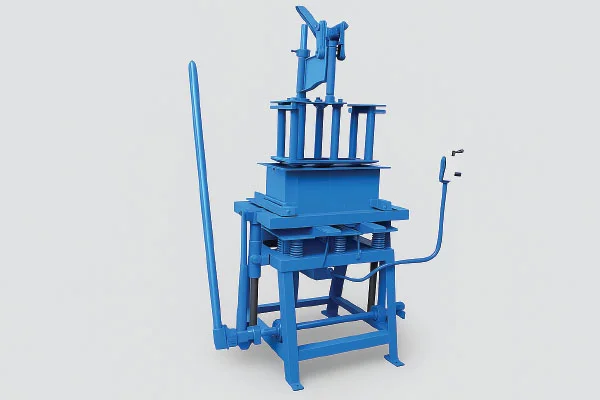
Suitable for small-scale operations, these manual machines are cost-effective and low maintenance, though they require significant human effort.
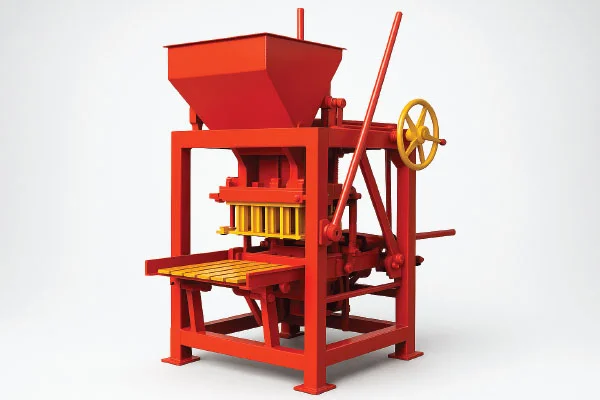
These machines offer an ideal mix of automation and affordability. They are best for SMEs striving for more output without having much higher investments.
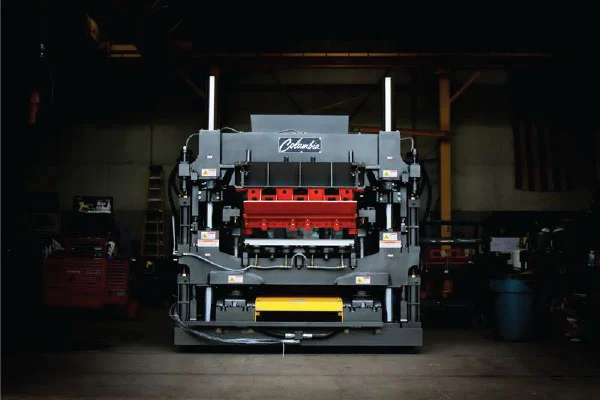
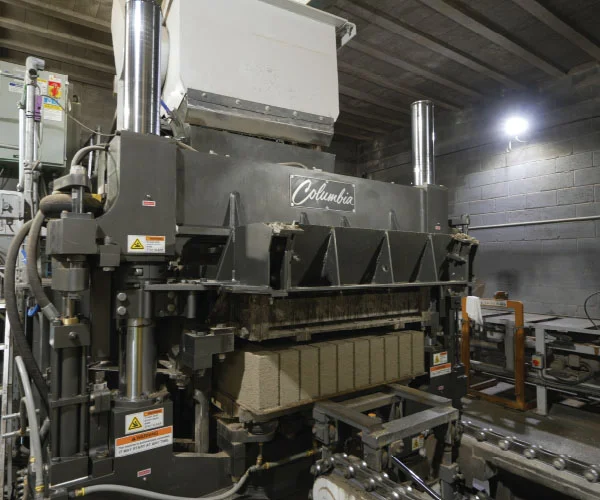
These machines are well-suited for large-scale industrial production. Having very little minimum human touch and intervention, these machines assure precision and more throughput.
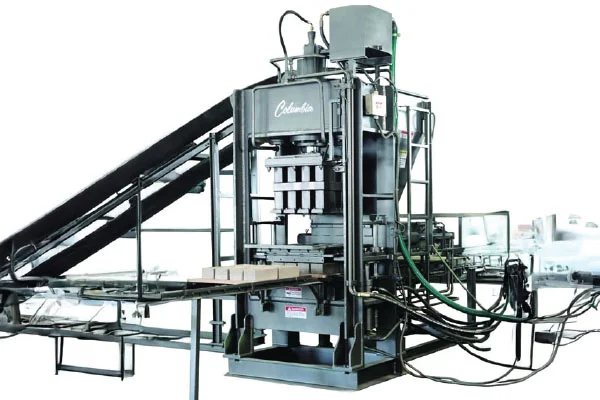
Hydraulic systems offer exceptional block density and power, making them the favorable option throughout all automation levels.
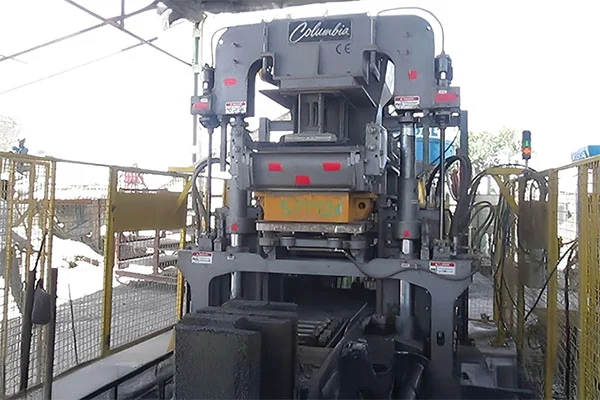
With combination of vibration and hydraulic pressure, bricks produced from these machines possess high strength, superior finish and dimensional accuracy.

Modern machines are equipped with digital interfaces, PLCs, and automatic error detection systems, helping minimize downtime while ensuring user-friendly operation.

Depending on the model, output can range from 1000 bricks per hour for manual machines to about 1,00,000 bricks per hour from higher output plants for industrial units. Evaluate your production needs before deciding.

Ensure that machines reduce waste, including water recycling systems, and make sure dust suppression provides long-term climatic and operational advantages.

Check for machines boosted for low electricity usage to assure cost-effectiveness with time.

Please check and make sure of the machine’s compatibility with a variety of inputs: fly ash, cement, sand, and aggregates.
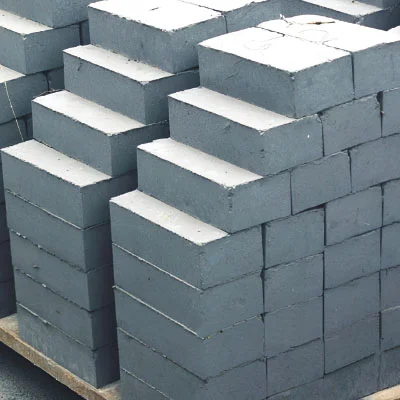

Collect and store materials ranging from fly ash, cement, sand, etc.
The next step involves batching and mixing uniformly, as this ensures consistency.

Mix is fed into mould. Then vibrated and compacted under extremely high pressure.

Bricks are kept in curing chambers. Steam can be used to cure bricks to achieve required strength.

Sample go through required tests including compression testing.
One must consider these factors.
SMEs should select semi-automatic machines which effortlessly balance affordability with productivity.
Manual units are priced between INR 2 and 10 lakhs.
Semi-automatic machines cost INR 10–30 lakhs.
Fully automatic fly ash brick machines start from INR 30 lakhs and above.
Columbia Machine Engineering India stands among the top manufacturers, known for delivering durable, efficient machines supported by nationwide service coverage.
Investing in fly ash brick machines is a thoughtful and well-calculated move toward sustainable, effective, and profitable construction. Columbia Machine India boasts providing best-in-class solutions that match your requirements and growth plans. Contact us to get a demo today and discover how our systems can revolutionize your business.
Real-World Use Cases and Success Stories
Maintenance and After-Sales Support
Final Checklist - Is Your Business Ready to Invest?
Contact us today to learn more about our high-quality concrete block making machines. Our team is ready to assist you in selecting the right machine for your needs, ensuring maximum productivity and profitability for your business.

